

Coastal, Contemporary or Classic? Finding Your Furniture Style
Coastal, Contemporary or Classic? Finding Your Furniture Style
Have you ever spotted a beautiful lounge suite or dining table in a showroom, only to wonder whether it would suit your home? Choosing furniture you love is one thing, but bringing everything together to create a home that feels comfortable, welcoming and cohesive can sometimes be a little tricky.
The good news is that you don't need to follow every interior design trend or have a professionally styled home to create a space you'll love. Understanding a few popular furniture styles can help you narrow down your choices, find pieces that work well together and create a look that feels right for you.
Whether you love the relaxed feel of coastal interiors, the clean lines of contemporary design or the timeless appeal of classic furniture, here's how to find your style and bring it to life in your home.
1. Coastal Style: Relaxed, Light and Inviting
Inspired by the natural colours and relaxed atmosphere of the coast, coastal interiors are all about creating a light, comfortable space that feels fresh and easy to live in.
Think soft whites, sandy neutrals, gentle blues, natural timber tones and plenty of texture. Rather than filling a room with beach-themed decorations, modern coastal styling focuses on natural materials, relaxed furniture and a connection to the outdoors.
How to create a coastal look
Choose light, inviting upholstery. Sofas and lounge suites in cream, oatmeal, beige or soft grey provide a beautiful foundation for a coastal living room. Add cushions in muted blue, sage green or natural linen tones to introduce colour without overwhelming the space.
Bring in natural timber. Timber coffee tables, dining tables and occasional furniture add warmth and complement the lighter colour palette. Natural finishes work particularly well when paired with soft upholstery and textured accessories.
Layer different textures. Woven baskets, textured cushions, lightweight throws and natural-look rugs help create depth and interest without making the room feel busy.
Keep the space feeling open. Choose furniture that suits the proportions of your room and avoid overcrowding it with too many decorative pieces. A relaxed coastal interior should feel comfortable and easy to enjoy.
Coastal style works particularly well in Queensland homes, where natural light and indoor-outdoor living often play an important role in the way we use our spaces.
2. Contemporary Style: Clean Lines and Modern Comfort
If you prefer a fresh, uncluttered look, contemporary furniture could be the right fit.
Contemporary interiors embrace current design influences, combining streamlined shapes, considered colour palettes and practical furniture. The result can be modern and sophisticated while still feeling warm and welcoming.
How to create a contemporary look
Look for simple silhouettes. Sofas with clean lines, streamlined armrests and understated detailing create a modern foundation. Dining tables and occasional furniture with simple shapes can reinforce the look without making the room feel too formal.
Choose a considered colour palette. Neutral colours such as white, grey, charcoal, beige and warm taupe are popular starting points. You can then introduce personality through deeper accent colours, artwork, cushions or a statement armchair.
Mix materials thoughtfully. Timber, metal, glass and upholstered furniture can work beautifully together when there is a consistent colour or finish connecting them. For example, a timber coffee table can soften a contemporary lounge suite, while black accents can introduce definition.
Keep accessories purposeful. A few well-chosen decorative pieces can have more impact than lots of smaller items. Consider a statement lamp, an interesting vase, a large artwork or a textured rug to finish the space.
Contemporary style is ideal if you enjoy a modern look but still want furniture that is practical for everyday family life.
3. Classic Style: Timeless, Warm and Comfortable
Some furniture styles never seem to go out of fashion. Classic interiors focus on familiar shapes, balanced proportions, warm colours and pieces that feel inviting year after year.
This doesn't mean your home needs to look old-fashioned. Classic styling can be refreshed with contemporary upholstery, updated colours and carefully chosen accessories.
How to create a classic look
Choose furniture with enduring appeal. Comfortable sofas, traditional lounge suites, timber dining tables and well-proportioned occasional furniture can provide a foundation that works across changing trends.
Build around warm neutrals. Cream, beige, warm grey, caramel and earthy tones create a welcoming atmosphere. These colours are easy to work with and allow you to update your accessories without replacing your larger furniture pieces.
Introduce timber and leather. Timber furniture adds natural warmth, while leather upholstery can provide depth and character. These materials can work particularly well together, especially when their colours complement one another.
Add layers and personal touches. Cushions, throws, lamps, rugs, framed photographs and artwork help make a room feel lived in. The aim is to create a space that reflects the people who call it home.
Classic styling is a wonderful choice if you prefer furniture that feels familiar, comfortable and adaptable as your tastes evolve.
4. How to Choose Colours That Work Together
Once you have an idea of your preferred furniture style, choosing colours becomes much easier.
You don't need to match every piece perfectly. In fact, a room often feels more interesting when different shades and textures work together rather than everything being identical.
A helpful starting point is to choose a main colour palette with three elements:
A foundation colour: This is usually a neutral shade that appears across larger pieces or surfaces, such as your sofa, walls or rug.
A complementary colour: Choose a second shade that works well with your foundation colour. This might be a warm timber tone, soft green, muted blue or another neutral.
An accent colour: Introduce a little personality through cushions, artwork, lamps or decorative accessories.
For example, a beige lounge suite could be paired with a natural timber coffee table, an ivory rug and cushions in olive green. Alternatively, a charcoal sofa could be softened with warm timber, cream accessories and textured neutral cushions.
The key is repetition. Using a colour or finish in more than one place helps the room feel connected without making everything match.
5. Mixing Timber Tones Without Clashing
Timber furniture brings warmth and natural character to a room, but choosing different timber finishes can sometimes feel daunting.
The good news is that you don't necessarily need every timber piece to match.
The trick is to look for similarities and create a deliberate combination.
Start with the overall tone. Timber finishes can have warm, reddish or golden undertones, or cooler, greyish undertones. Choosing pieces with compatible undertones can help them sit comfortably together.
Repeat finishes throughout the room. If you have a darker timber dining table, you could introduce a similar tone through a picture frame, side table or decorative accessory. This creates a visual connection without requiring every piece to be identical.
Balance light and dark. A light timber coffee table can look beautiful alongside a darker dining setting, particularly when the room includes other elements that connect the two finishes.
Use upholstery to bring everything together. Neutral sofas, dining chairs and rugs can help different timber tones feel cohesive by providing a visual break between them.
Remember, your furniture doesn't have to come from the same collection to work well together. Choosing pieces that complement each other often creates a more individual and interesting home.
6. Choosing Upholstery That Suits Your Lifestyle
Colour and style are important, but your furniture also needs to work for the way you live.
Before choosing a lounge suite or occasional chair, think about who uses the space, how often you entertain and what level of maintenance suits your household.
Fabric upholstery offers a wide variety of colours, textures and patterns, making it easy to introduce personality or create a soft, inviting look.
Leather can provide a smooth, refined appearance and is available in finishes ranging from contemporary to traditional. Its care requirements will depend on the particular leather and finish.
If you have children, pets or a busy household, consider how your furniture will be used every day. Ask about upholstery care, cleaning requirements and the suitability of different materials for your needs.
It's also worth thinking about comfort. A lounge suite may look perfect in your living room, but seat depth, cushion feel and armrest height can make a real difference to how much you enjoy using it.
Whenever possible, try the furniture in person before making your decision.
7. Don't Forget the Finishing Touches
Accessories are often what make a room feel complete. They can introduce colour, soften furniture lines and help different pieces feel connected.
You don't need to buy everything at once. Starting with a few carefully chosen additions allows you to see how the room comes together before adding more.
Consider:
Cushions and throws: An easy way to introduce colour, pattern and texture to a lounge suite.
Rugs: These can help define a seating area and connect your lounge, coffee table and occasional chairs.
Coffee and side tables: Practical additions that can also introduce another timber tone or material.
Lighting: Table lamps and floor lamps add atmosphere and make a living room more versatile.
Artwork and decorative pieces: These bring personality to the room and provide an opportunity to repeat colours found in your upholstery and accessories.
A useful tip is to step back and look at the room as a whole. If one area feels too busy, remove a few accessories rather than adding more. Sometimes a little breathing space is all a room needs.
8. Can You Mix Coastal, Contemporary and Classic Styles?
Absolutely! You don't have to commit to just one interior style.
Many of the most inviting homes combine elements from different styles to create a look that feels personal rather than taken straight from a catalogue.
For example, you could pair a contemporary sofa with a classic timber dining table, then introduce coastal-inspired cushions and natural textures.
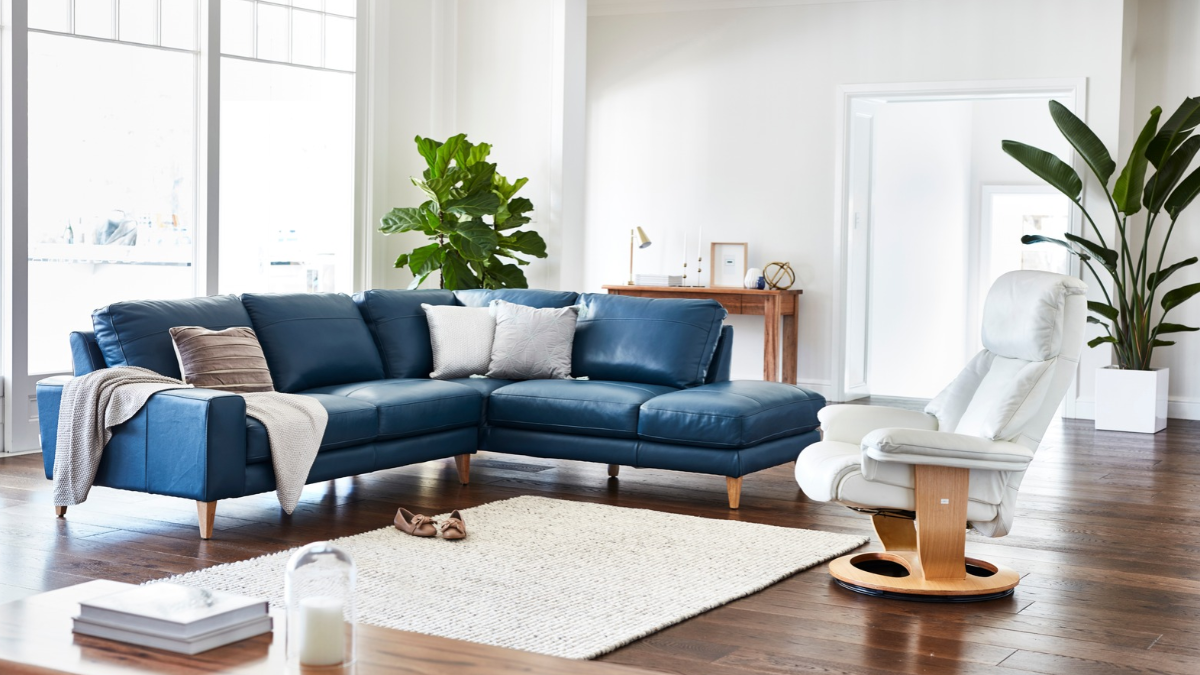
Alternatively, a traditional leather recliner can sit comfortably in a contemporary living room when its colour and proportions complement the surrounding furniture.
The secret is to find a common thread. This might be a consistent colour palette, similar timber tones, complementary upholstery or a repeated shape or material.
Try to let one style lead, then use elements of the others to add character. This helps the room feel intentional rather than a collection of unrelated pieces.
Most importantly, choose furniture you genuinely enjoy. Your home should reflect your tastes and lifestyle, not simply follow a trend.
Find Your Style at Furniture Court
Whether you're furnishing a new home, updating your living room or simply looking for a few pieces to refresh your space, finding your furniture style is a great place to start.
At Holdorf's Furniture Court & Beds R Us, we offer a range of lounge suites, dining furniture, occasional pieces and home furnishings to help you create a space that feels right for you.
Visit our showrooms in Boonah, Ipswich or Beaudesert to explore different styles, compare finishes and discover furniture that suits your home and lifestyle. Our friendly team is always happy to help you consider your options.
Your home, your style, your comfort. Let's find the pieces that bring it all together.